BMSER

TECHNOLOGY

CELL-LEVEL INTELLIGENCE.SYSTEM-LEVEL CONFIDENCE.

Battery-management technologies engineered for efficiency, consistency, safety and system-level reliability.

ACTIVE BALANCING

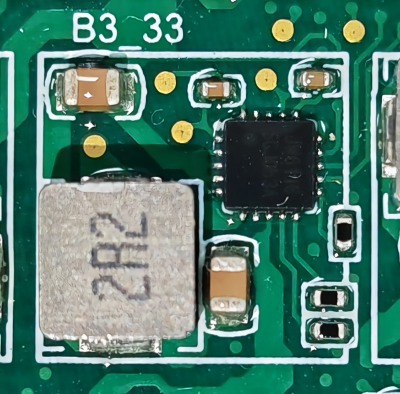
BMSer ENERGY SA builds on advanced chip-level active balancing technology developed within the BMSer technology ecosystem.

Unlike conventional passive balancing, which dissipates surplus energy as heat, active balancing redistributes energy between cells. The architecture supports independent cell-level control and parallel balancing response across a battery cluster.

CELL-LEVEL ENERGY MANAGEMENT

Bidirectional active balancing

BMSer active-balancing hardware supports controlled energy redistribution between cells as part of application-specific battery-management architecture.

Architecture, configuration and suitability depend on the final battery chemistry, system design and project requirements.
Bidirectional active balancing

ACTIVE BALANCING IN MOTION.

Energy is redistributed between cells to support a more consistent battery system.

  1. Detect imbalance
  2. Redistribute energy
  3. Support cell consistency
Cell A
Cell B
Cell C

WHY ACTIVE BALANCING MATTERS

Battery systems operate as connected cell networks. Differences in cell condition, temperature and operating history can affect system consistency over time. Bidirectional active balancing supports controlled energy redistribution between cells, helping system designers pursue more stable utilisation and long-term operational consistency.

System performance depends on battery chemistry, configuration, operating profile, thermal conditions and validation methods.

TECHNOLOGY

Battery-management technologies engineered for efficiency, consistency, safety and system-level reliability.

Battery-Management Chips

Intelligent monitoring and control architecture designed to support cell-level visibility, battery consistency and system-level decision-making.

Role: connects cell data with system control. Applications: battery packs, energy storage and charging systems.Discuss your project

Bidirectional Active Balancing

Active energy redistribution between cells to support more consistent battery behaviour across varying operating conditions.

Role: supports cell-level balancing control. Applications: high-voltage packs and energy-storage systems.Discuss your project
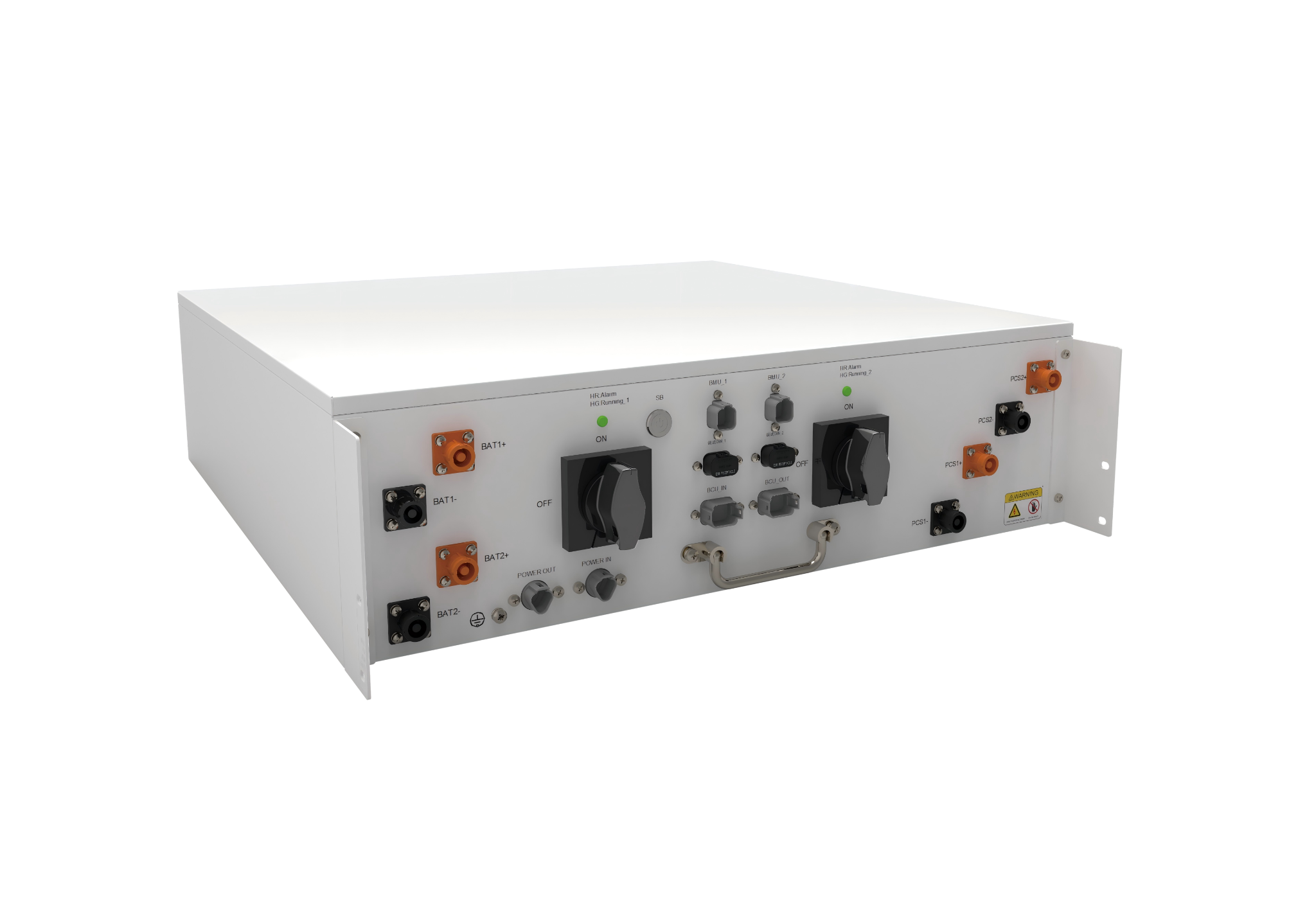
High-Voltage Box

High-Voltage BMS Architecture

Coordinated monitoring, protection and communication architecture for high-voltage battery systems.

Role: links battery subsystems. Applications: stationary storage and infrastructure-scale battery systems.Discuss your project
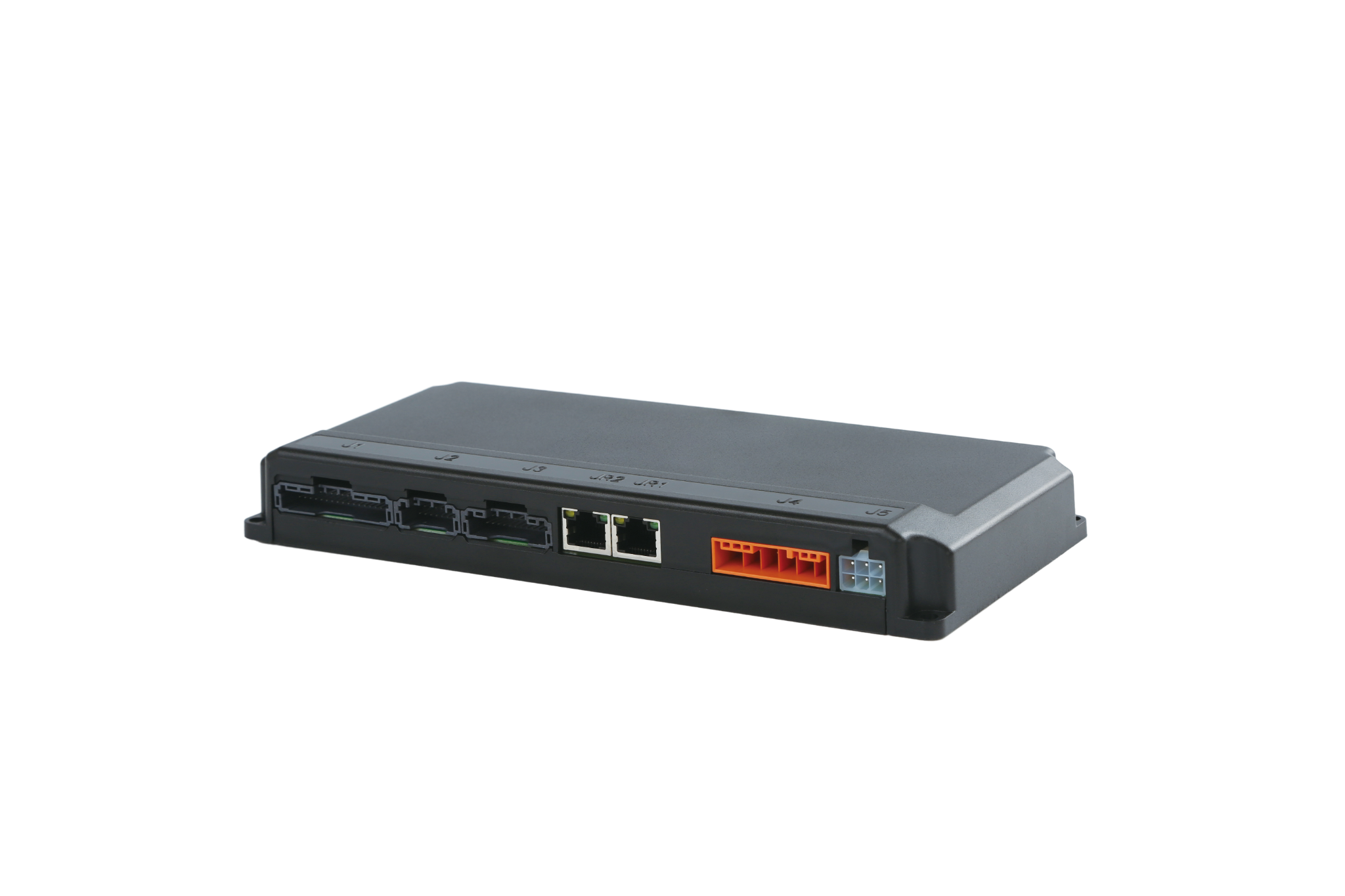
Battery Array Unit (BAU)Battery Cluster Unit (BCU)Battery Management Unit (BMU)

BMU, BCU and BAU Systems

Modular battery-management units that connect cell-level data with rack, pack and system-level control.

Role: structures management across the battery hierarchy. Applications: modular racks, packs and systems.Discuss your project

DC/DC Systems

Power-conversion solutions supporting energy transfer between battery systems, charging infrastructure and DC-based loads.

Role: connects DC energy domains. Applications: charging, mobile energy and integrated power architectures.Discuss your project

Sodium-Ion BMS

Battery-management strategies adapted to the operating characteristics and integration requirements of sodium-ion energy-storage systems.

Role: supports sodium-ion system coordination. Applications: stationary and project-specific storage.
Battery-System Integration
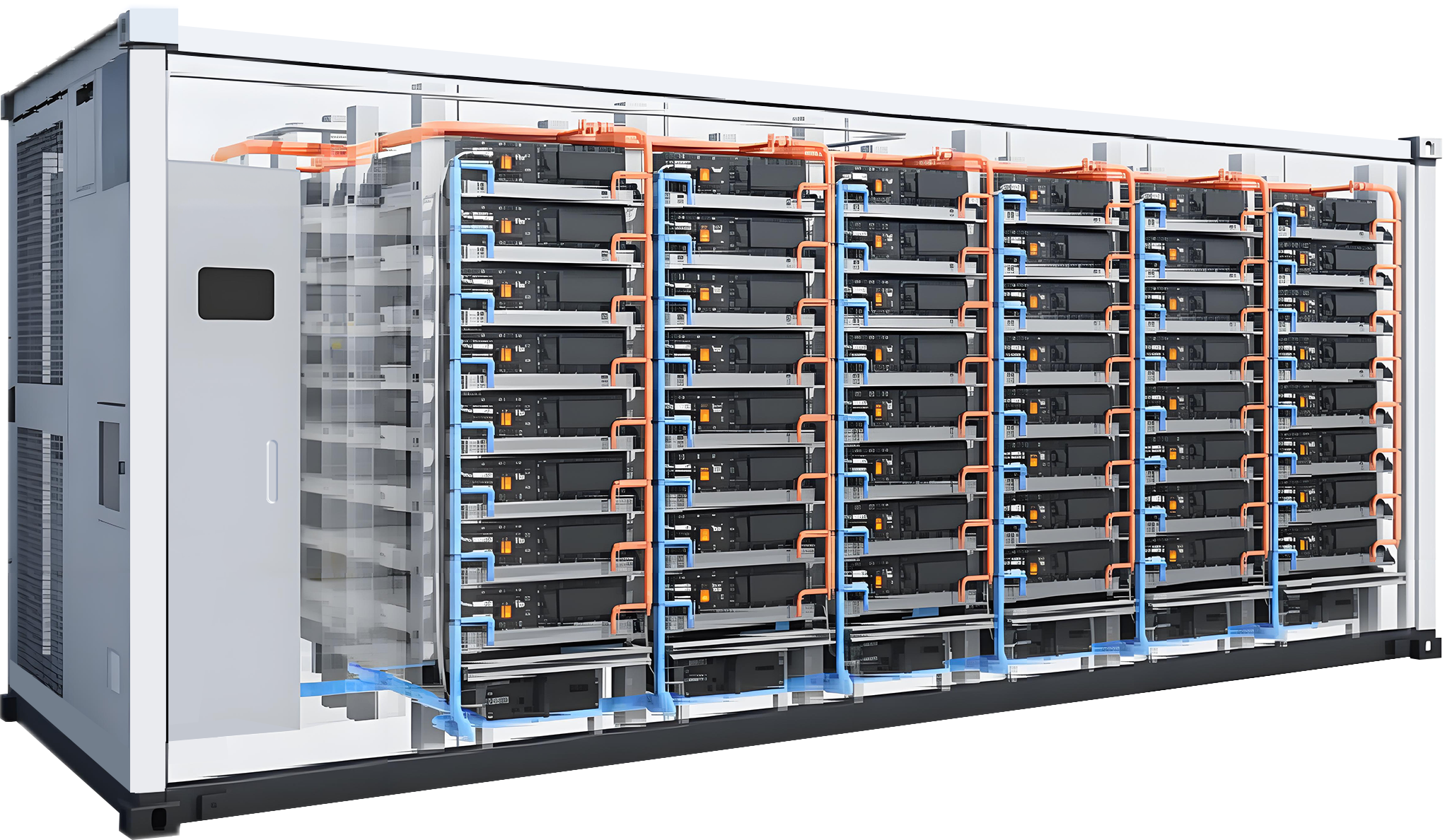
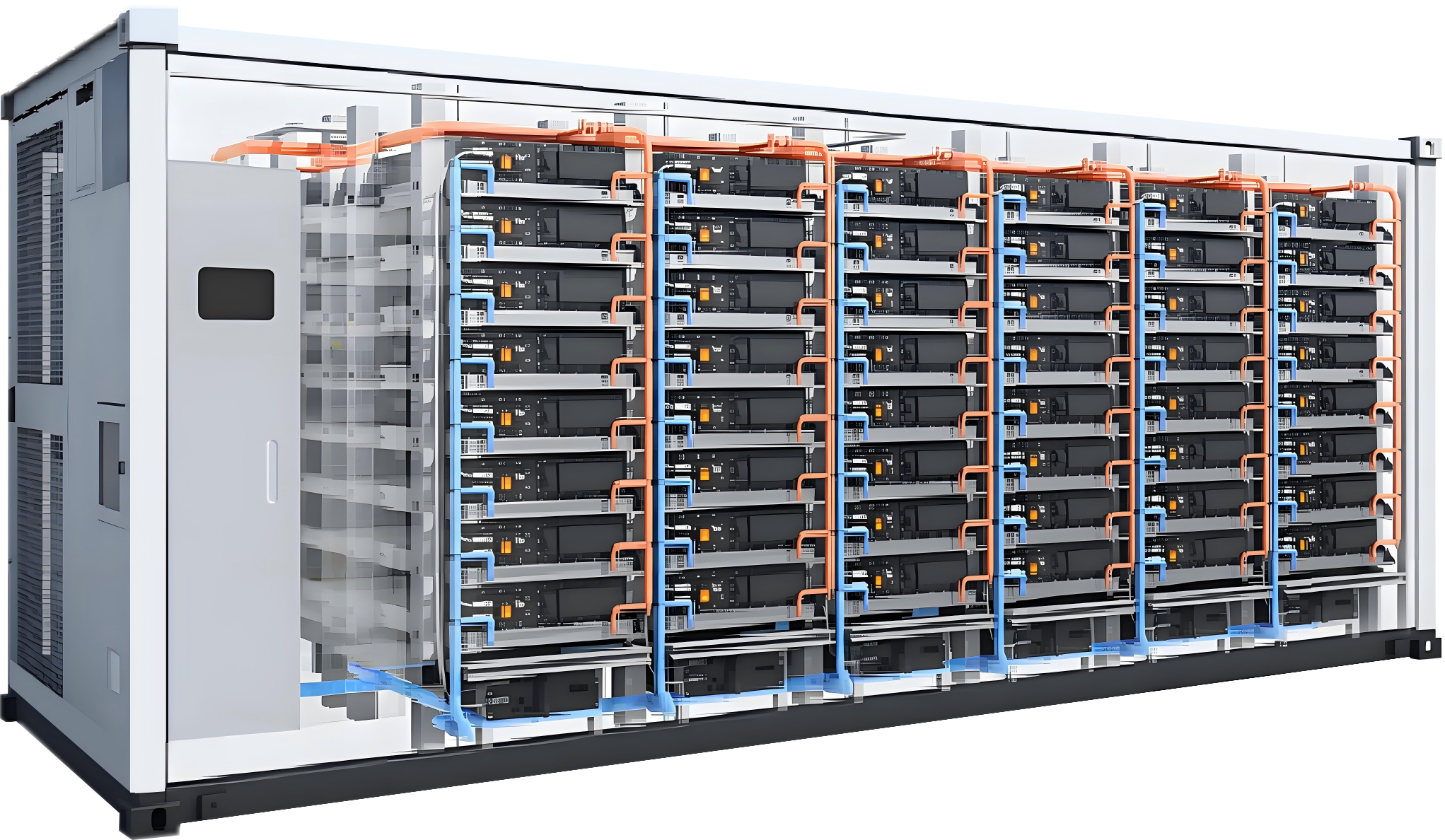
Illustrative internal battery-system architecture. Final configuration, component selection, interfaces, safety strategy and compliance status are project-specific.

Battery-System Integration

Project-specific integration of cells, BMS architecture, thermal management, high-voltage distribution, protection, communications and mechanical enclosure into one engineered battery system.

Role: combines critical battery subsystems into a coordinated system architecture for stationary energy storage and project-specific battery platforms.Discuss your project

CELL PLATFORM ECOSYSTEM

MULTI-SOURCE CELL ARCHITECTURE.ONE BMSER SYSTEM PLATFORM.

BMSer’s sodium-ion system architecture is designed to integrate qualified cell platforms according to project requirements, performance targets and supply strategy.

Current DC CORE configurations are primarily developed around HiNa Battery sodium-ion cell technology, while the platform architecture is designed to support additional qualified cell technologies as the ecosystem evolves.

01QUALIFIED CELL PLATFORM
02BMSER BMS
03ACTIVE BALANCING
04SYSTEM INTEGRATION
05DC CORE

CELL TECHNOLOGY EVOLVES. THE SYSTEM ARCHITECTURE REMAINS ADAPTABLE.

CURRENT CELL PLATFORM

HiNa Battery

HiNa Battery

Sodium-Ion Cell Technology

CURRENT REFERENCE CELL PLATFORM
Applied according to product and project configuration.

ADDITIONAL CELL PLATFORMS

Project-specific · Qualification-based

Additional cell technologies can be integrated as the BMSer platform ecosystem evolves and project requirements develop.

CELL TECHNOLOGY IS THE FOUNDATION. SYSTEM INTELLIGENCE DETERMINES HOW IT IS MANAGED.

EXPLORE ACTIVE BALANCING

SYSTEM-LEVEL BATTERY ARCHITECTURE

From battery modules to integrated energy systems

BMSer system architecture brings together battery modules, monitoring and control hardware, communications, power interfaces and thermal-management considerations within a project-specific energy-storage design.

This illustration is intended to explain system architecture. Final configuration, interfaces and equipment selection depend on the individual project.Discuss your project
From battery modules to integrated energy systems
Representative internal battery-system architecture.

SYSTEM CONTROL & COMMUNICATION

Energy management and control architecture

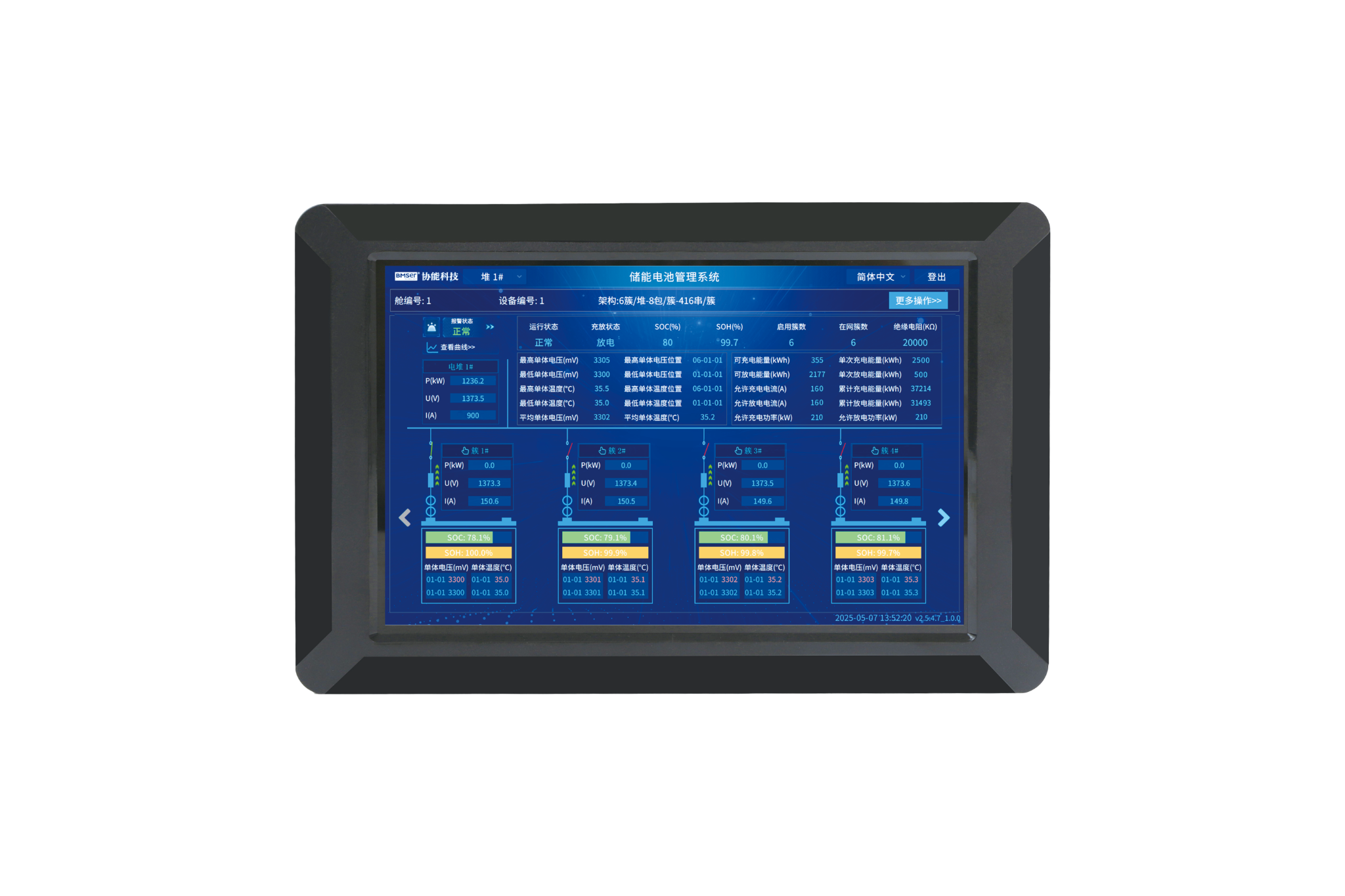
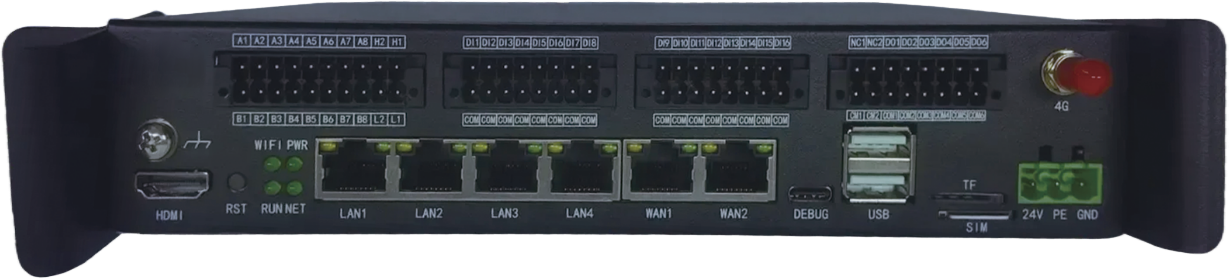
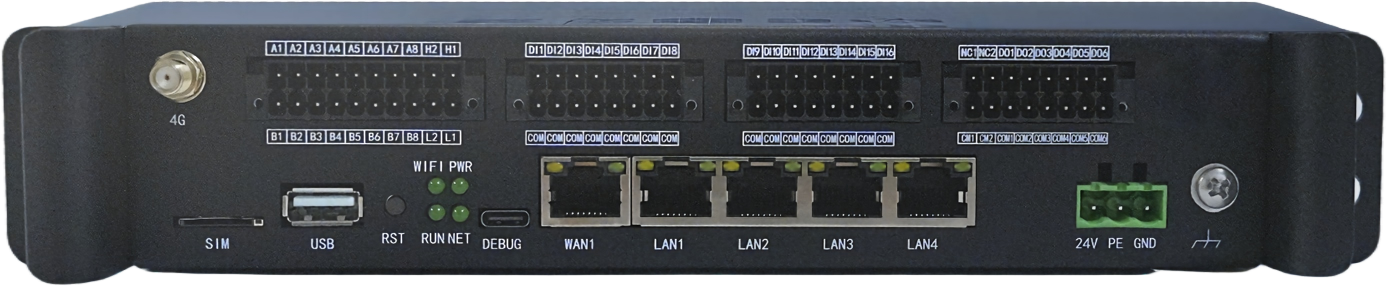
Energy-management hardware can support communications, data collection and coordination across battery systems, power-conversion equipment and project-specific supervisory control architecture.

WL-EMS-1000

WL-EMS-1000

Energy-management controller for system-level monitoring, communication and integration requirements.

WL-EMS-500

WL-EMS-500

Compact energy-management controller for project-specific monitoring, communication and control architecture.

Interfaces, protocols, software configuration and final functionality depend on the individual project and system design.Discuss your system architecture

BMS HARDWARE

Modular BMS architecture

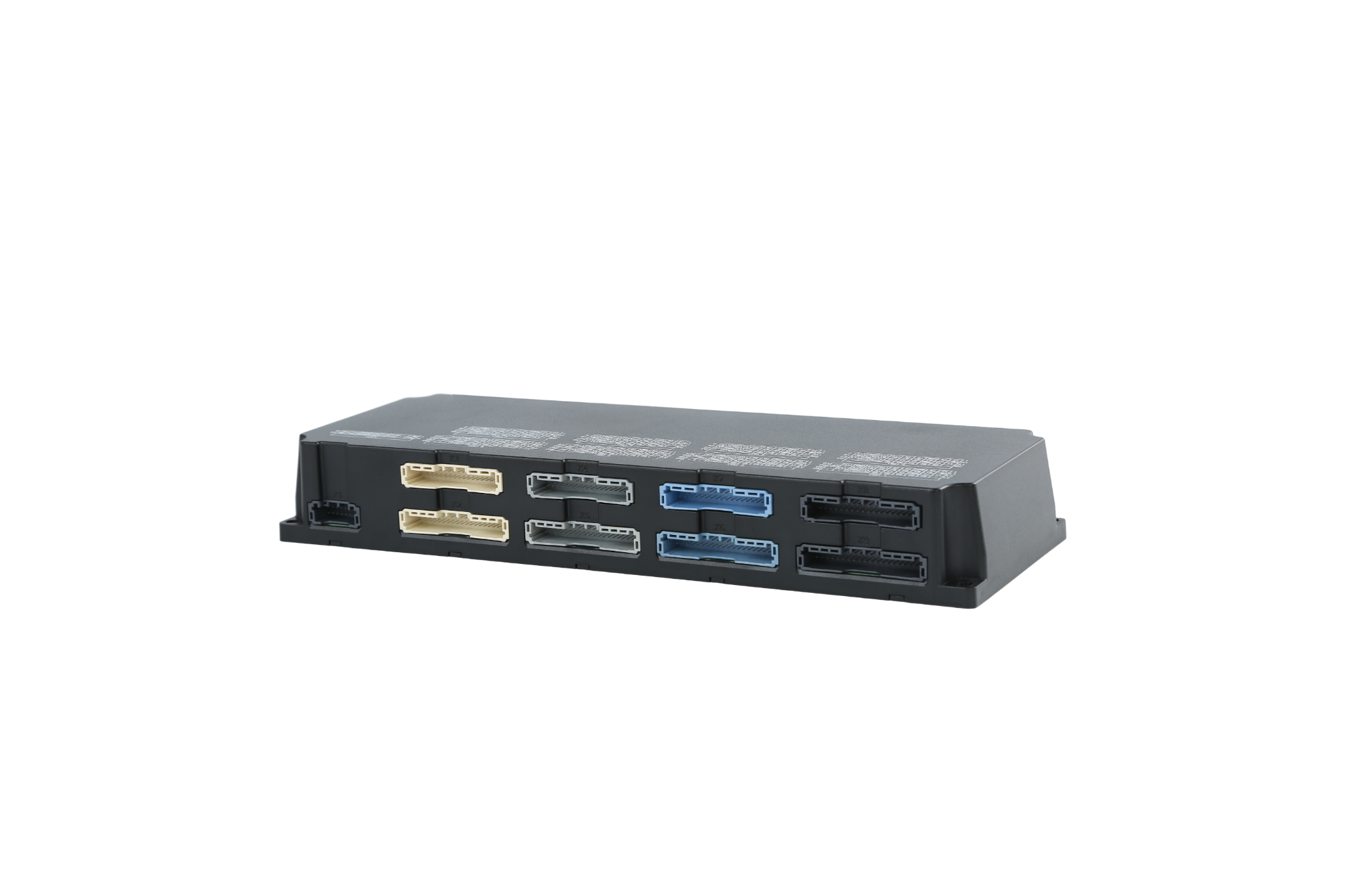
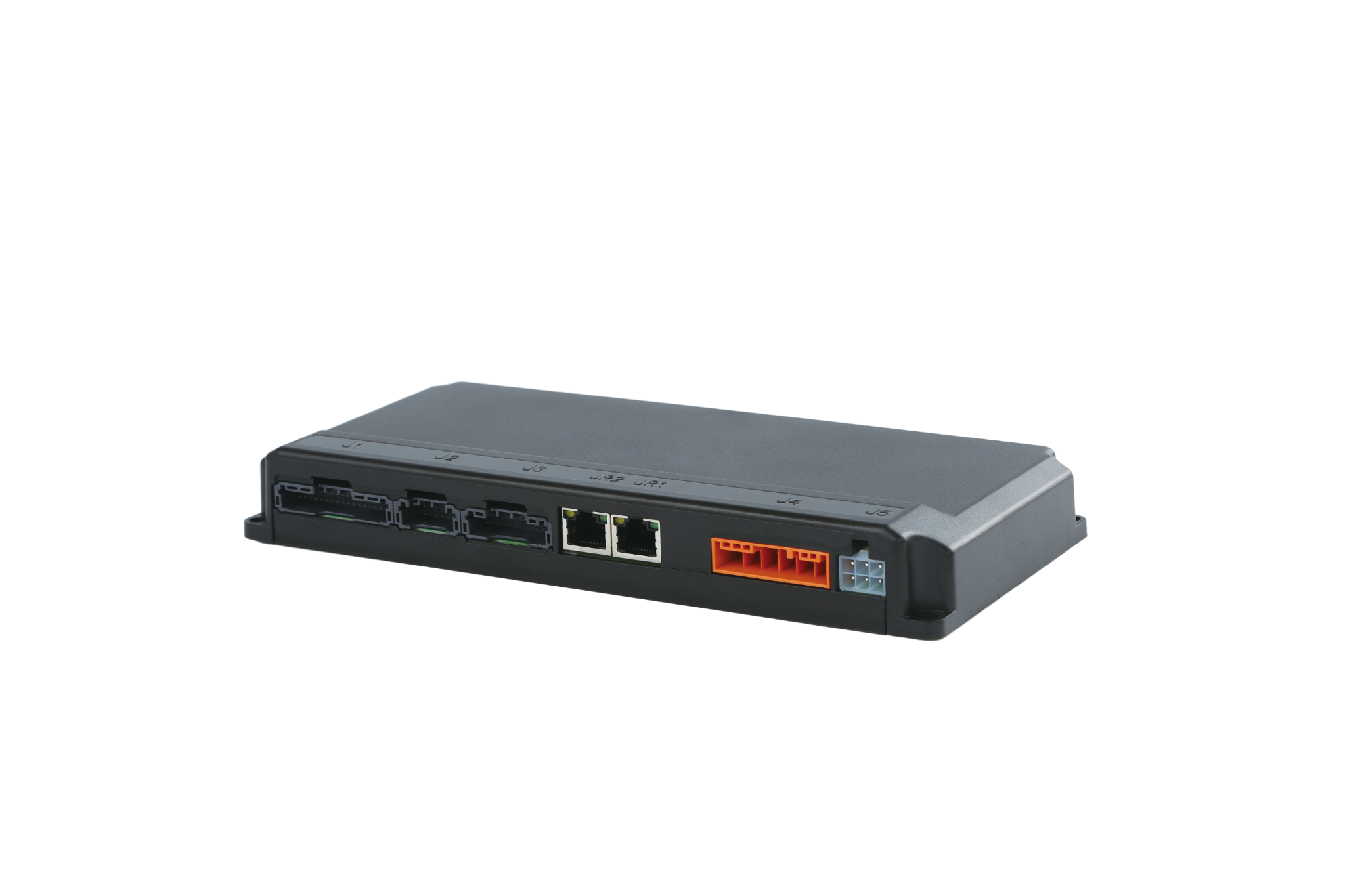
BMSer battery-management architecture can connect module, cluster, array and high-voltage system functions within application-specific energy-storage designs.

Battery Array Unit (BAU)

Battery Array Unit (BAU)

Coordinates information and communication across battery-array level architecture.

Battery Cluster Unit (BCU)

Battery Cluster Unit (BCU)

Supports cluster-level battery monitoring, communication and system coordination.

Battery Management Unit (BMU)

Battery Management Unit (BMU)

Supports module-level battery data collection and control architecture.

High-Voltage Box

High-Voltage Box

Provides a controlled high-voltage interface within battery-system configurations.

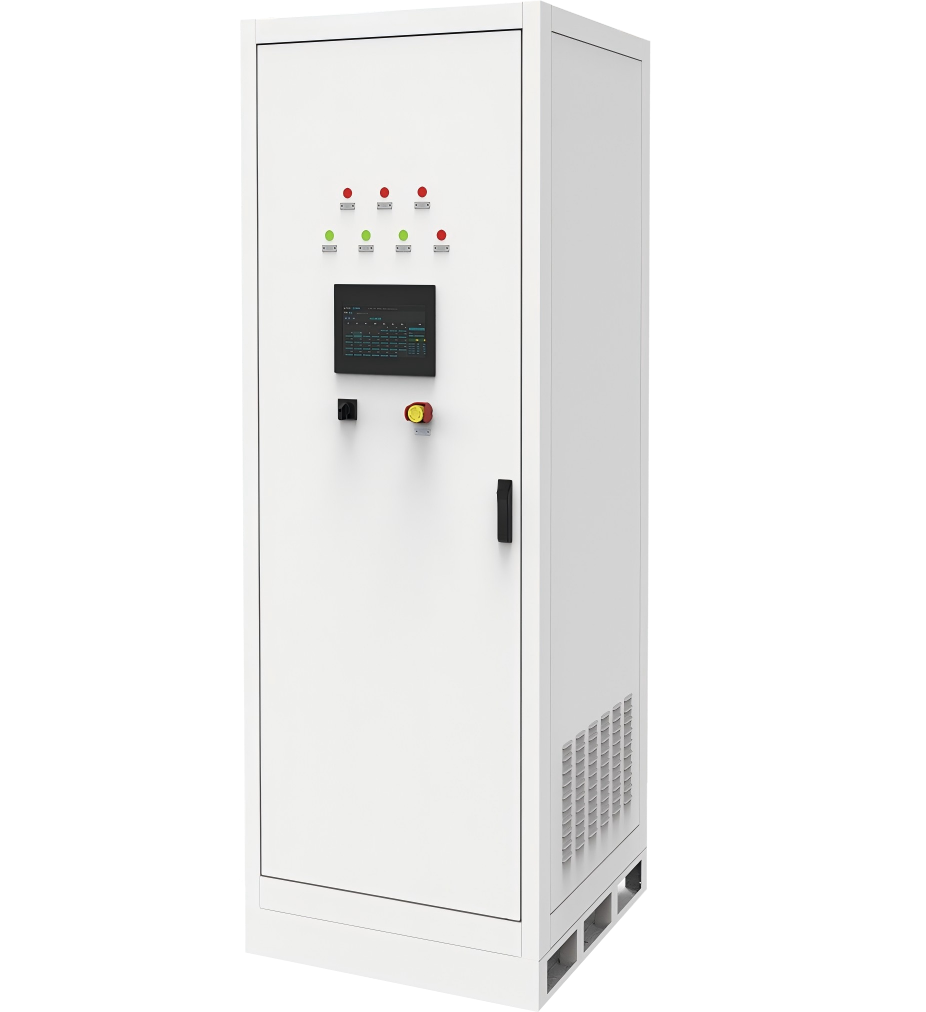
DC Combiner Cabinet

DC Combiner Cabinet

Project-engineered high-voltage DC aggregation, protection and connection equipment for battery-system integration.

Final voltage range, terminals, protection design, interfaces and installation requirements are confirmed during project engineering.
Hardware configuration, interfaces and suitability depend on the final system design and project requirements.

CELL CONNECTION & INTEGRATION

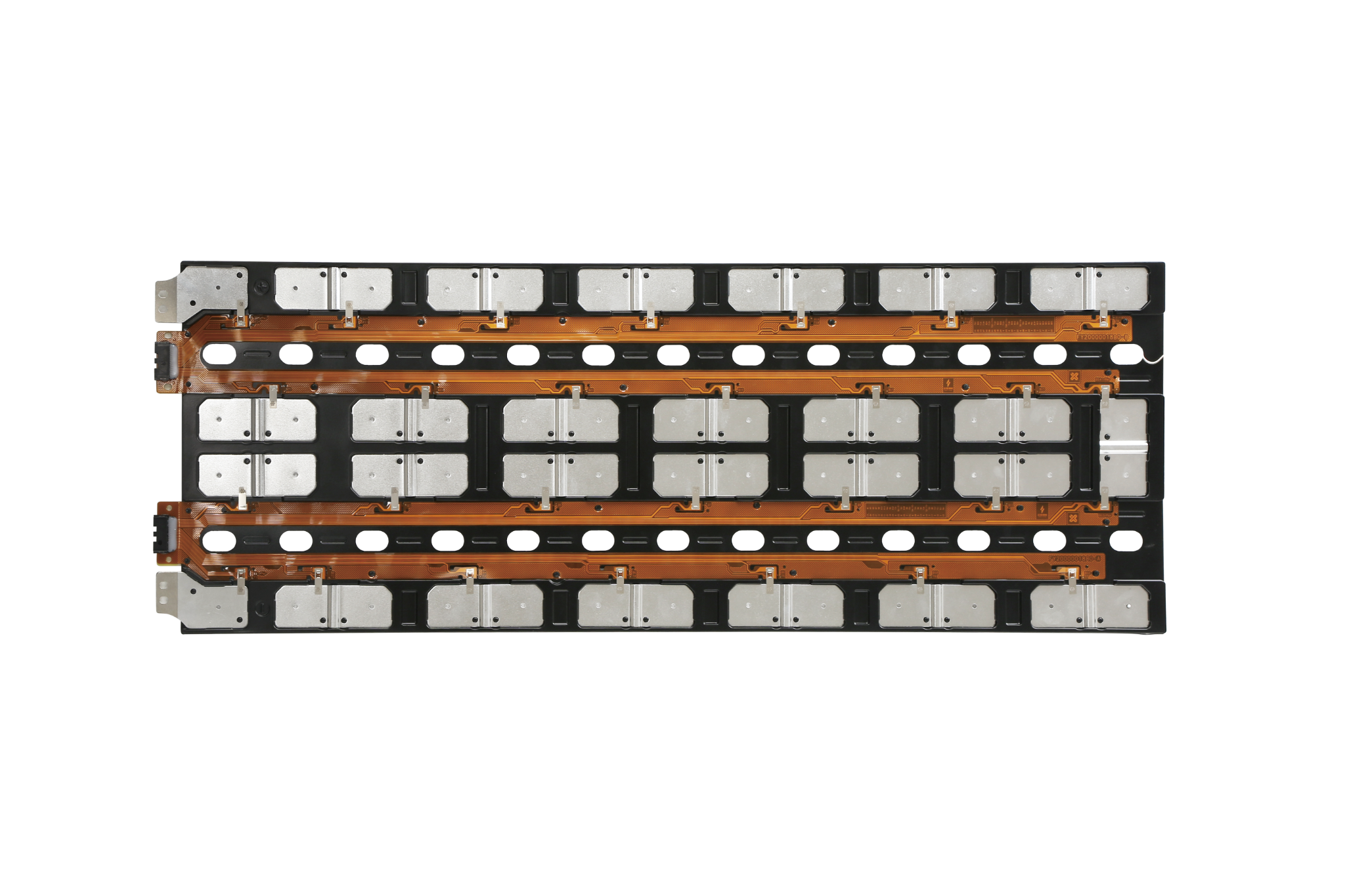
Cell Connection System (CCS)

Cell connection and sensing components form an important interface between battery cells, monitoring electronics and the wider battery-management architecture.

Battery-System Integration
Cell Connection System (CCS)
Representative CCS hardware for battery-pack integration.
01

BIDIRECTIONAL ACTIVE BALANCING

Unlike conventional passive balancing, which dissipates surplus energy as heat, active balancing redistributes energy between cells. The architecture supports independent cell-level control and parallel balancing response across a battery cluster.

02

CHIP-LEVEL ARCHITECTURE

Intelligent monitoring and control architecture designed to support cell-level visibility, battery consistency and system-level decision-making.

Technical characteristics may vary by product configuration, battery chemistry and project requirements.
03

FROM CELL DATA TO SYSTEM INTELLIGENCE

Cell voltage, temperature, current and state-of-charge information can support battery management, fault diagnosis, lifecycle-oriented operation and energy-storage system coordination.